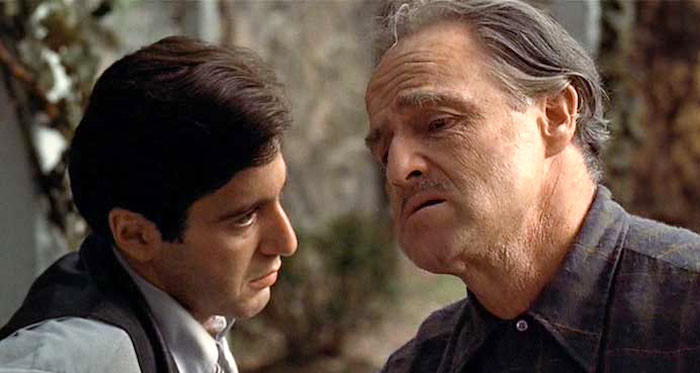
The Crucial Role of Lighting in Cinematography: Insights from Joe Cianciotto
Lighting in cinematography is more than just a technical necessity; it is a powerful tool that shapes the visual narrative, evokes emotions, and guides the audience's focus. Joe Cianciotto notes that understanding the critical role of lighting in filmmaking reveals how it enhances storytelling, mood creation, and the overall cinematic experience.

At its core, cinematic lighting involves the deliberate use of light sources to achieve a specific visual effect. It combines artistry with technical precision, requiring a keen understanding of both the physics of light and the emotional impact of its manipulation. The interplay of light and shadow can define characters, suggest time of day, create atmosphere, and even convey underlying themes.
Key Lighting Techniques in Cinematography
Three-Point Lighting: This foundational technique uses three light sources: the key light, fill light, and backlight. The key light is the primary source that defines the subject's shape and texture. The fill light softens the shadows created by the key light, adding depth without overpowering the scene. The backlight separates the subject from the background, adding a sense of three-dimensionality.
High-Key Lighting: Characterized by its brightness and minimal shadows, high-key lighting is often used in comedies and musicals to create a cheerful, vibrant atmosphere. It involves a high ratio of fill light to key light, resulting in an evenly lit scene that feels light-hearted and inviting.
Low-Key Lighting: This technique employs a stark contrast between light and dark, with deep shadows and minimal fill light. It is commonly used in film noir, horror, and thriller genres to evoke tension, mystery, and drama. The dramatic shadows add a sense of foreboding and heighten emotional intensity.
Natural Lighting: Leveraging existing light sources, such as sunlight or practical lights within the scene, natural lighting creates a realistic and immersive environment. Cinematographers often use techniques like diffusing or bouncing light to enhance natural light without losing its authenticity.
Motivated Lighting: This approach ensures that light sources within a scene appear logical and consistent with the environment. For example, a lamp on a desk or moonlight streaming through a window is enhanced to provide adequate illumination while maintaining believability.
Tips for Effective Cinematic Lighting

Experiment with Angles: The angle and direction of light significantly affect the scene's mood. Side lighting can create dramatic shadows, while front lighting minimizes them, offering a softer look. Backlighting can add depth and separation from the background.
Control the Intensity: Cinematographers can control the intensity and quality of light using dimmers, flags, and diffusers, ensuring it complements the scene without overpowering it.
Utilize Color: Colored gels and filters can transform a scene's mood. Warm tones can evoke coziness and intimacy, while cool tones might suggest coldness or detachment. Color temperature plays a crucial role in conveying the desired emotional response.
The Impact of Lighting on Visual Storytelling and Mood
Lighting profoundly influences how a story is perceived. It directs the audience's attention, highlights important details, and subtly guides emotional responses. A well-lit scene can transform an ordinary setting into something magical, eerie, or romantic, amplifying the narrative's emotional depth.
For instance, chiaroscuro, the interplay of light and shadow, not only creates a visually striking image but also adds layers of meaning and tension. In the 1949 film The Third Man, the dramatic lighting enhances the suspense and moral ambiguity central to the story.
Joe Cianciotto emphasizes that lighting is an indispensable element of cinematography that goes beyond mere illumination. It is a storytelling tool that shapes the visual language of a film, crafting moods, highlighting themes, and immersing the audience in the cinematic experience. By mastering lighting techniques, filmmakers can elevate their visual storytelling and create memorable, emotionally resonant films.